Banh Mi Ú Nu: Big on Flavor, Full of Luck.
The delicacy and familiarity of Vietnamese cuisine from the past to the present are truly endless. Vietnamese food is so distinctive; each dish is rich and diverse, yet a result of its balance and health advantages, the stomach is always happy.
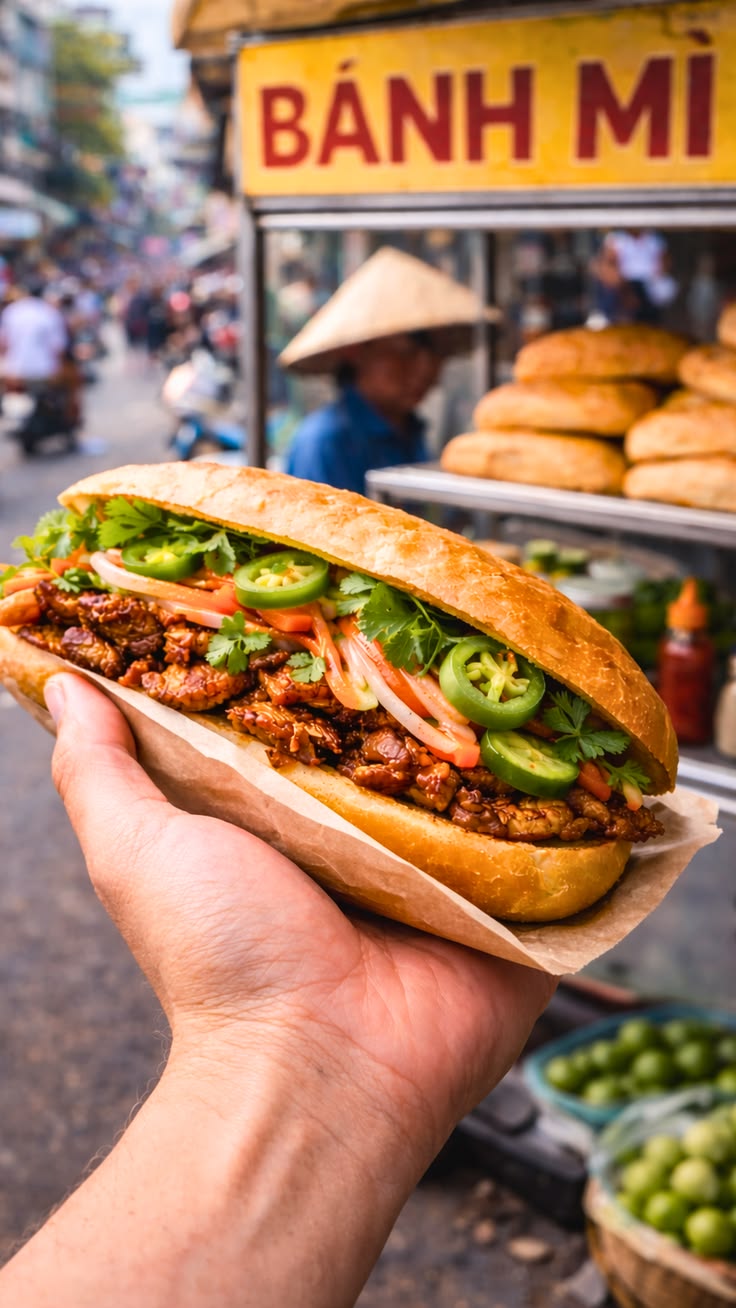
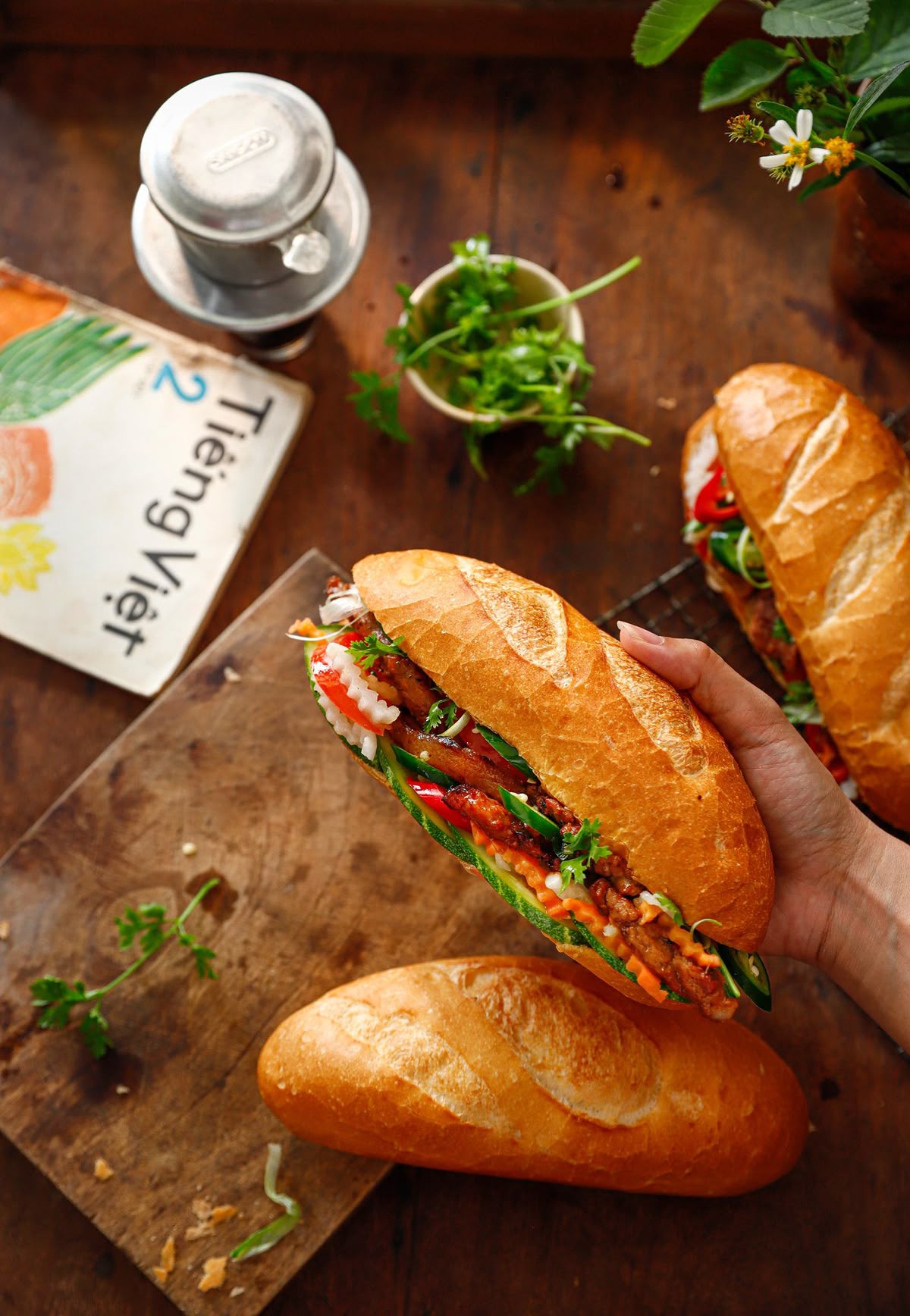
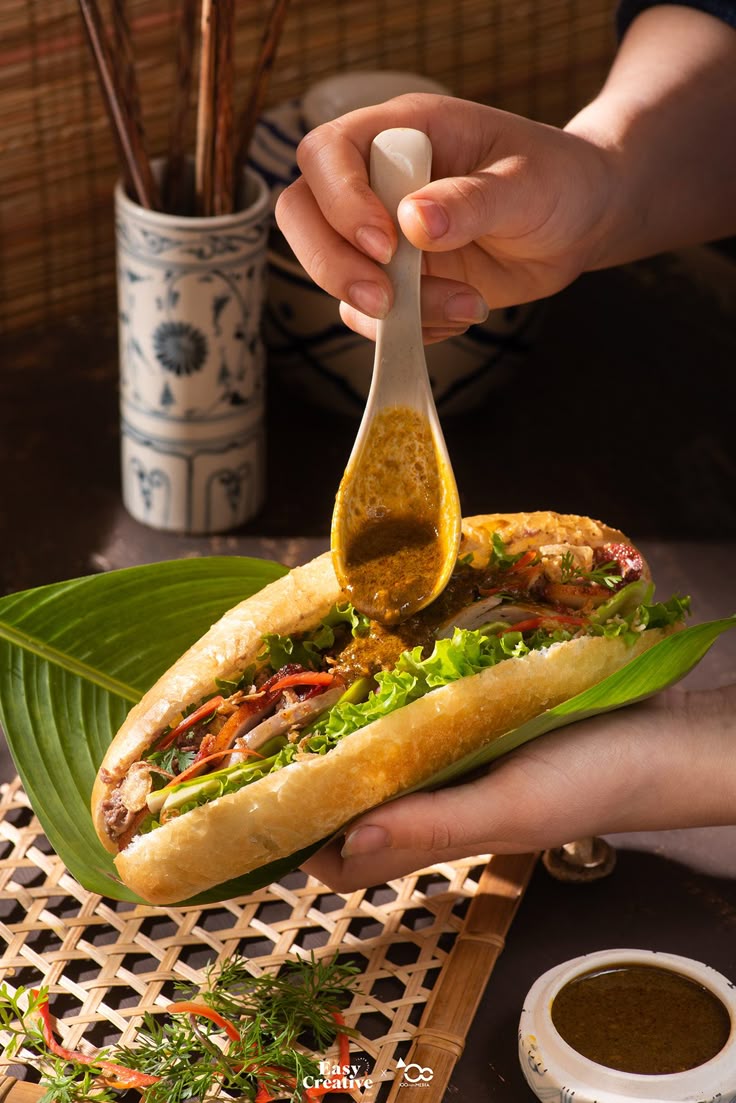
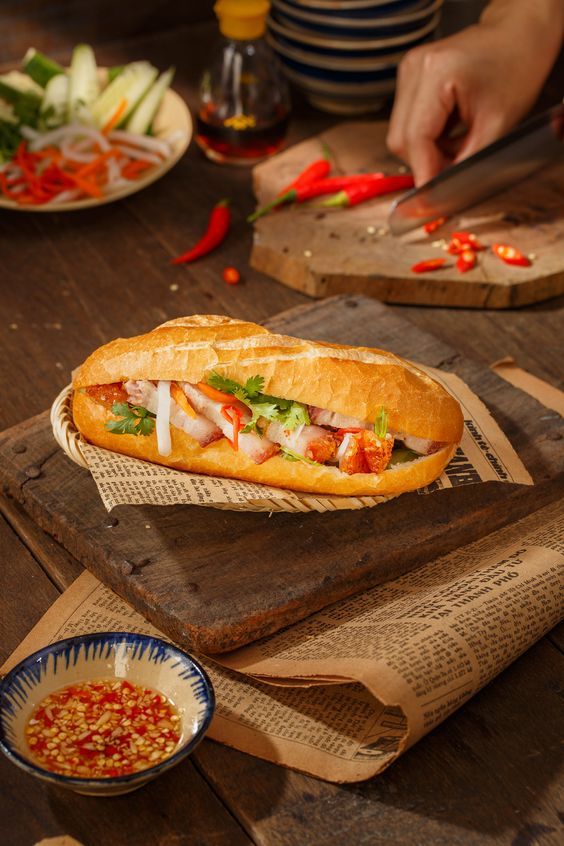
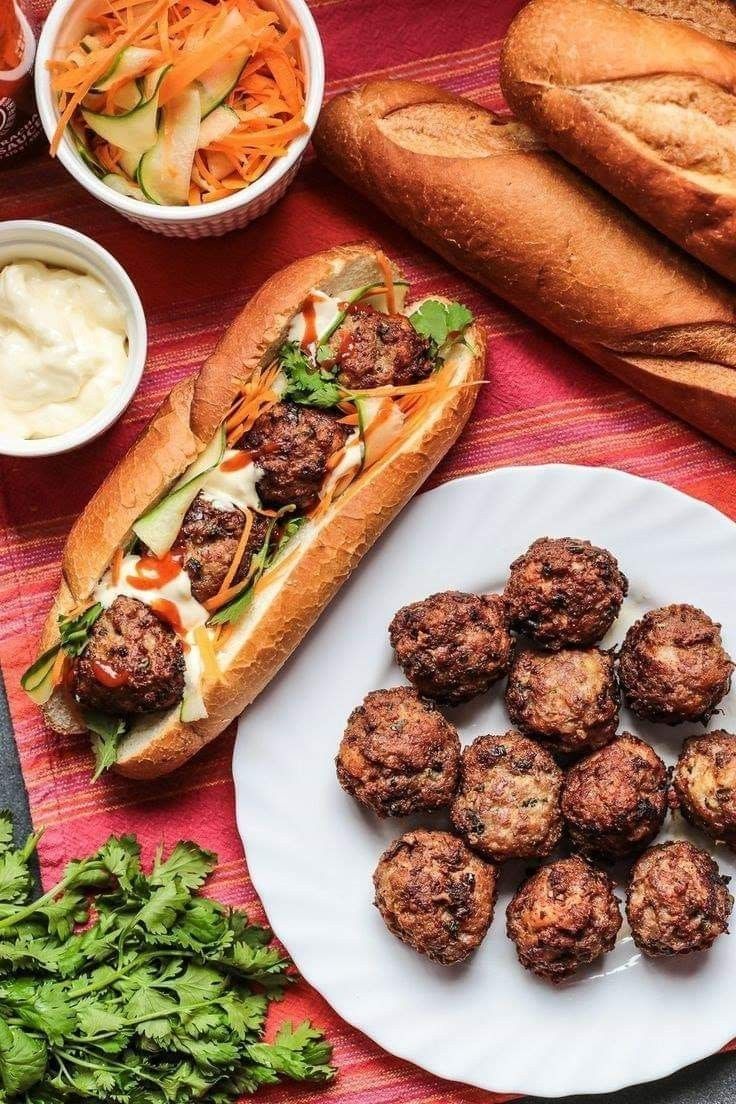
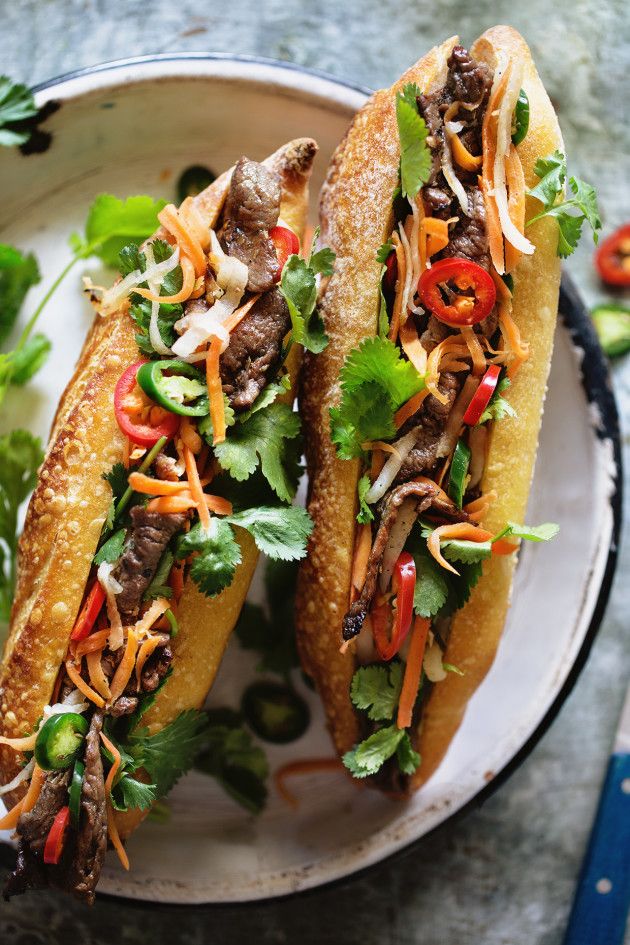
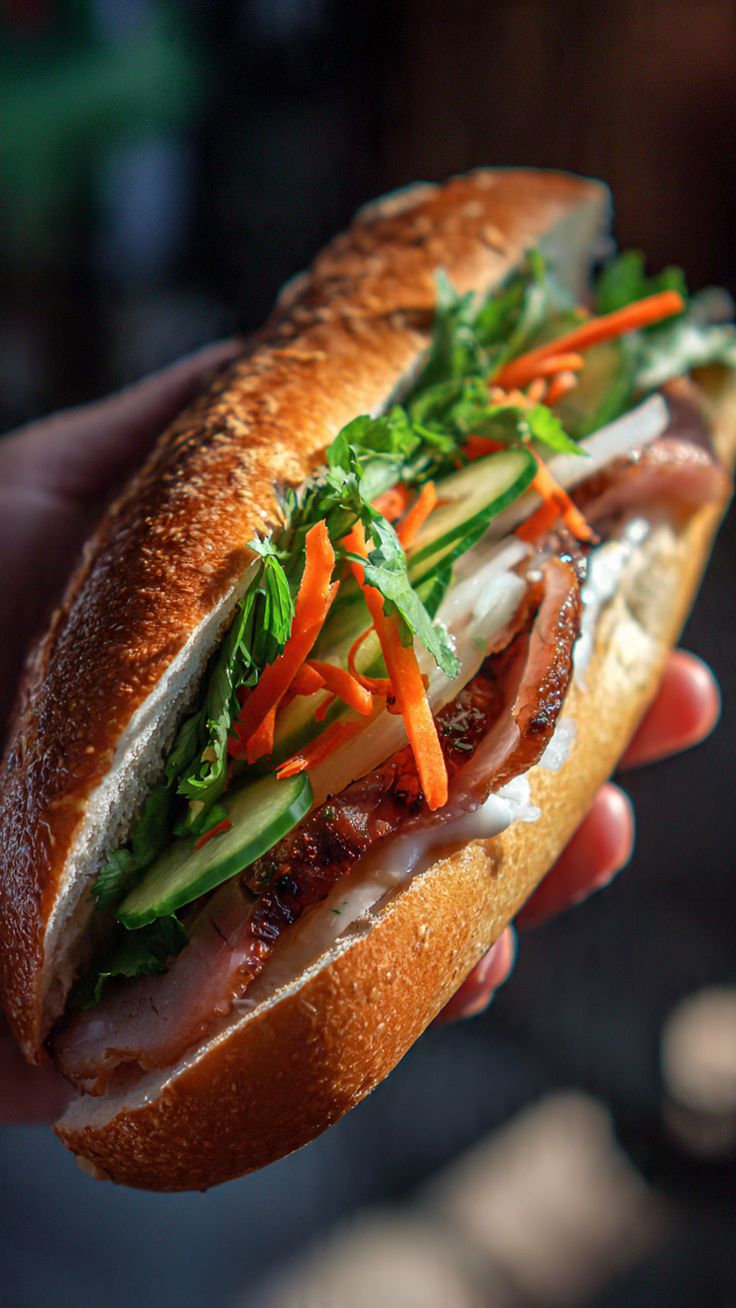
The Banh Mi sandwich is especially important when discussing the exchange of cultures with respect to Vietnamese heritage. By adding a slice of sausage, some butter, onions, cilantro, pickles, and a few slices of hot chilli, our folks have turned a baguette into a crispy sandwich. It’s a world-famous Banh Mi that fits in your hand, embodies all five flavours
To say it, Vietnamese food, both historically and currently, has maintained its essence: eating in a way that is both tasty and healthful. It’s not just about the food; it’s also about the warmth and kindness of Vietnamese immigrants to Canada.
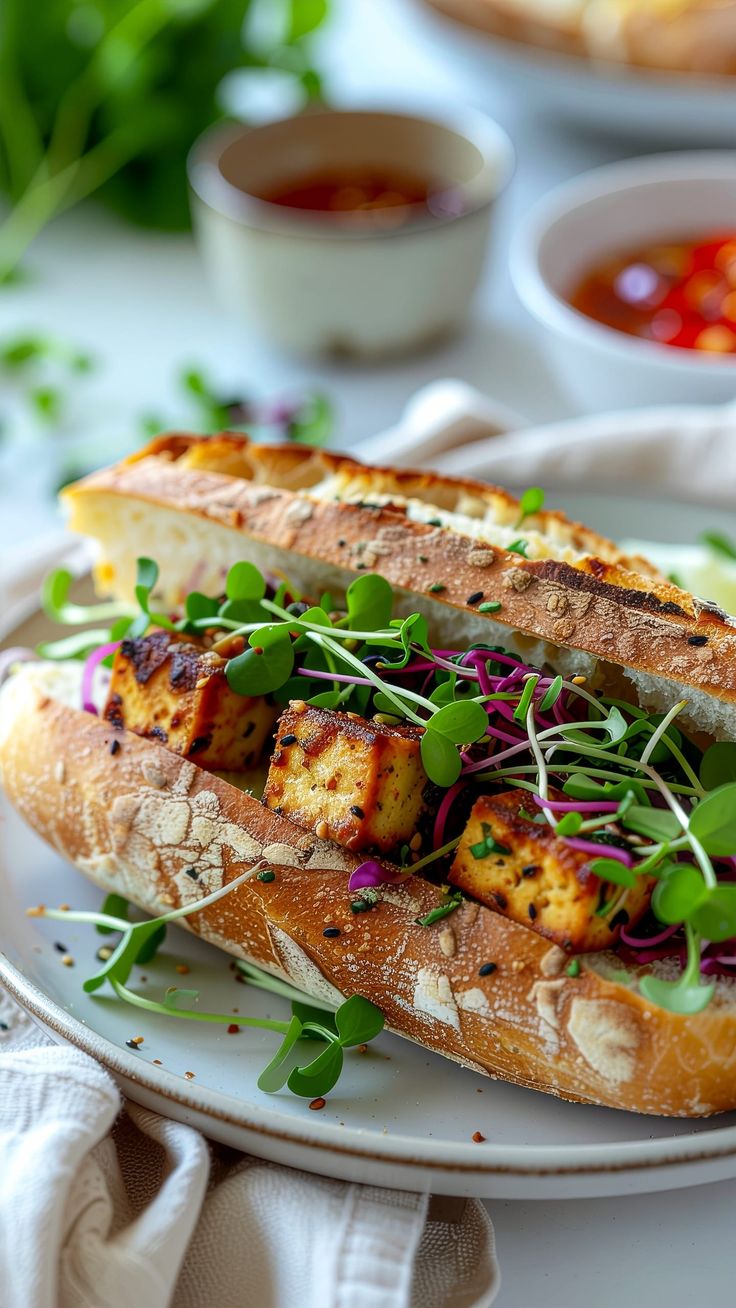
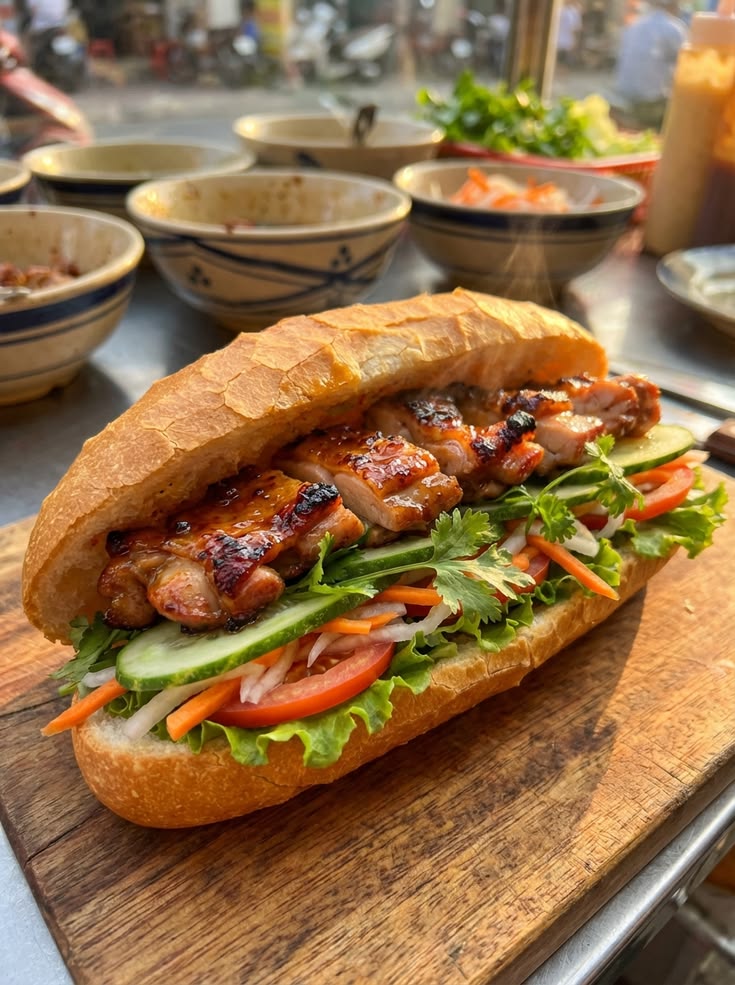
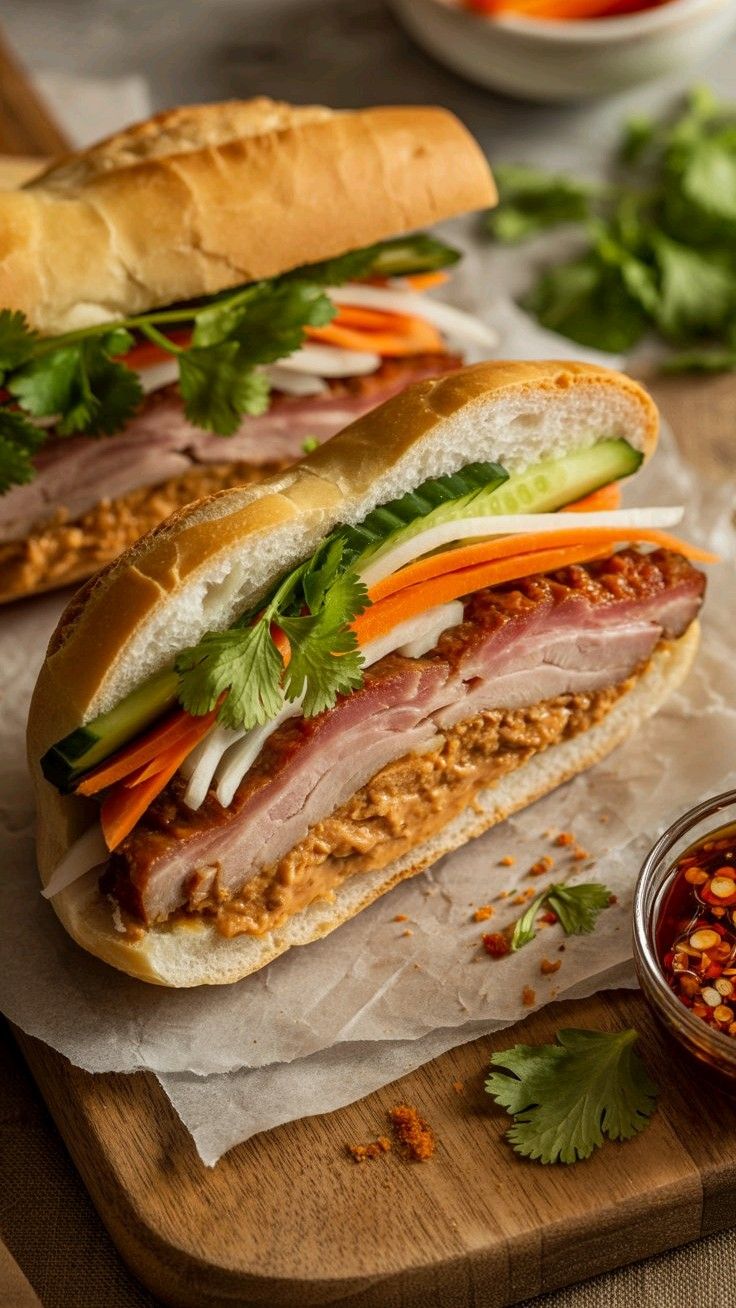
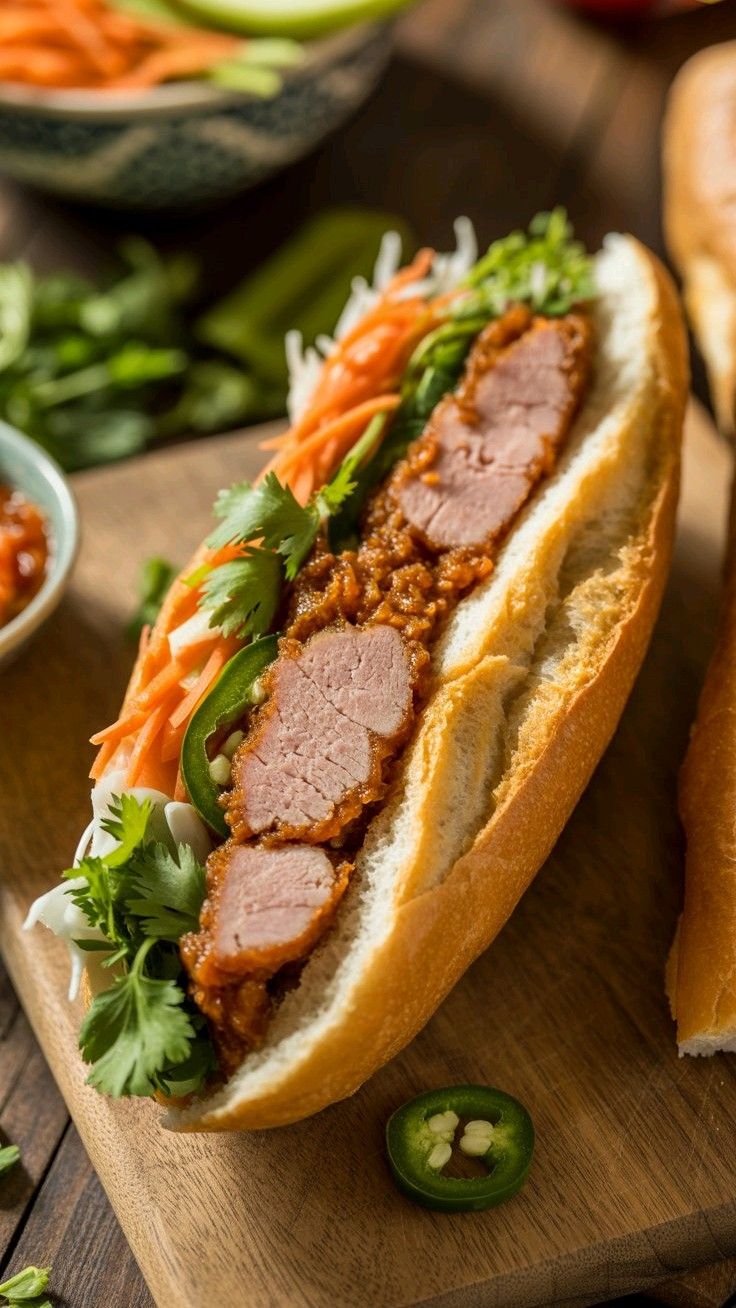
Banh Mi Culture
Breakfast at home is rather uncommon in Vietnam, particularly in the South. Rather, individuals typically begin their day at busy restaurants or street food vendors. From flavorful bowls of grilled pig vermicelli to hearty, savoury sticky rice and crispy baguettes, the options are quite varied.
Although these dishes contain a certain amount of carbohydrates, they demonstrate a sophisticated approach to nutritional balance. A serving is always reasonably divided between carbohydrates, protein (meat, eggs, sausage), and plenty of fibre from raw vegetables and pickles. However, despite their frequent dining out, Vietnamese people retain a fit look and good physical fitness. The strategy is in their culinary philosophy: eat a variety of meals without overindulging, focusing on freshness and nutritional value in each little serving. Combined with familiar drinks such as rich coffee or milk tea, eating out has turned into a vibrant lifestyle that is both easy and nutritious for people of all ages.
Banh mi is more than a culinary dish; it’s a “flavour expedition.” Beginning as a large French baguette, it experienced a remarkable transformation upon arrival in Vietnam to suit the local palate. The baker added rice flour to make the crust thinner and crispier, the filling lighter and fluffier, and the pastry smaller, so it could fit in the palm.